By Victor Ahiuma-Young
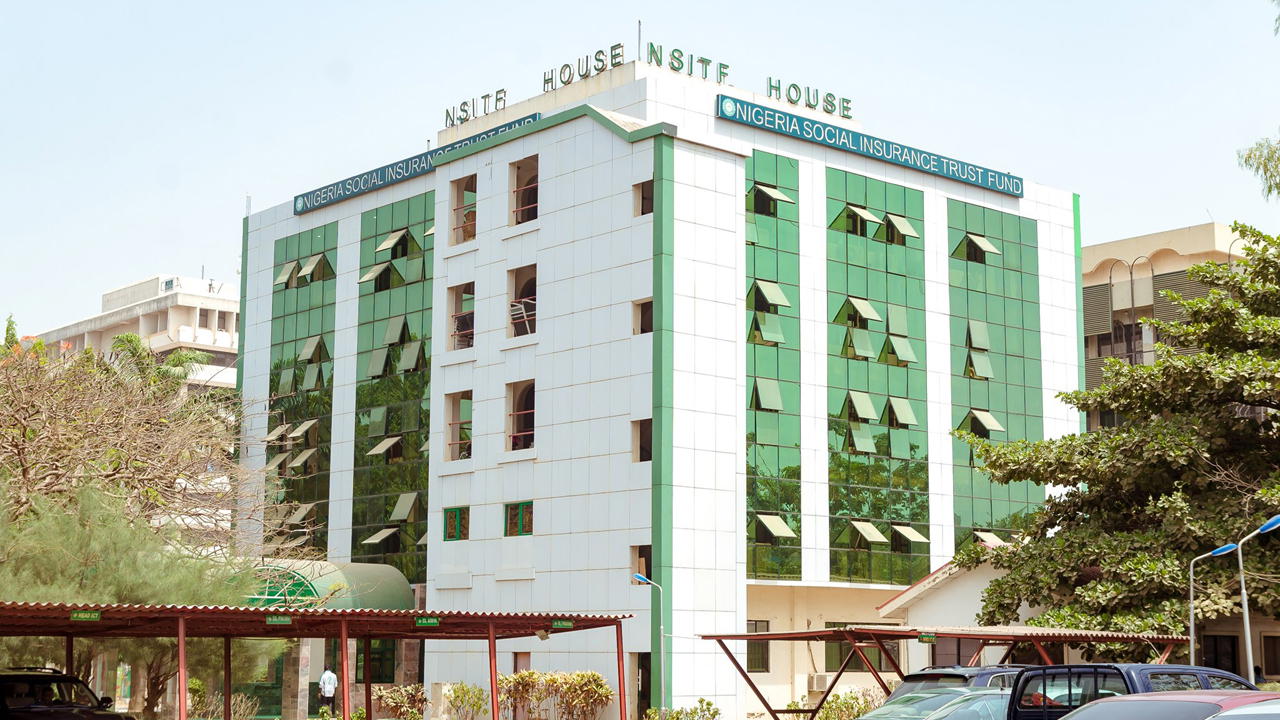
Nigeria’s drive to strengthen workplace safety and modernise employee compensation received a significant boost as the Nigeria Social Insurance Trust Fund, NSITF, signed a strategic Memorandum of Understanding, MoU, with South Africa’s Rand Mutual Assurance, RMA, one of Africa’s oldest and most experienced social security institutions.
The agreement, signed at the Fraser Suites in Abuja, marked the culmination of a three-day strategic technical engagement between the management and technical teams of both organisations.
The partnership is expected to deepen collaboration in social insurance administration, occupational health and safety, employee compensation, rehabilitation services and digital transformation, while enabling Nigeria to benefit from RMA’s more than 130 years of institutional experience.
Speaking after the signing ceremony, both organisations reaffirmed their commitment to advancing workplace safety and strengthening social insurance systems through technical cooperation and knowledge sharing.
The three-day engagement, led by NSITF Managing Director and Chief Executive, Barrister Oluwaseun Faleye, and RMA Chief Executive Officer, Mr. Bilal Adams, featured extensive technical sessions on institutional benchmarking, injury prevention, rehabilitation frameworks, actuarial modelling, claims administration and technology-driven service delivery.
A major highlight of the agreement is the establishment of a Joint Technical Working Group that will identify, coordinate and implement collaborative programmes between both institutions. The working group is expected to ensure that the partnership translates into concrete projects capable of improving the administration of Nigeria’s Employees’ Compensation Scheme.
Under the MoU, both organisations also agreed to facilitate technical exchanges, capacity-building initiatives and the sharing of research, operational data and international best practices, subject to applicable regulatory and confidentiality requirements.
The partnership will further explore prevention-based and incentive-driven workplace safety models that could be adapted to Nigeria’s compensation framework, while promoting dialogue on digital innovation and technology benchmarking.
Although the MoU provides a roadmap for future cooperation, both parties clarified that it does not create legally binding obligations or immediate financial commitments. Rather, it establishes a framework under which future projects and commercial arrangements will be negotiated and implemented in accordance with applicable laws and internal approval processes.
Disclaimer
Comments expressed here do not reflect the opinions of Vanguard newspapers or any employee thereof.