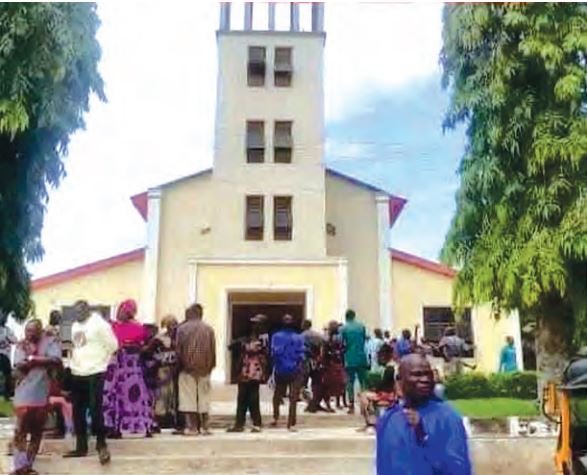
The Owo church
The recent sentencing of four members of the Al-Shabaab terrorist group to death by hanging for their roles in the June 5, 2022 attack on St. Francis Catholic Church in Owo, Ondo State, represents a defining moment in Nigeria’s protracted battle against terrorism. Four years after 43 worshippers were murdered and countless others maimed during Sunday service, justice has finally been served. The Owo massacre stands among the most shocking acts of terror in Nigeria’s history. It demonstrated that no part of the country, community, and place of worship is immune to jihadist violence. With the four terrorists now condemned to hang, the Federal High Court has delivered an unambiguous message: acts of terrorism will not escape punishment.
This judgment proves that despite the formidable complexities surrounding the investigation and prosecution of terror-related offences, Nigeria’s justice system can deliver accountability when evidence is meticulously gathered and properly presented. The successful prosecution is a testament to the patience and perseverance of law enforcement agencies, prosecutors, and the judiciary. Yet while the judgment offers a meaningful closure to bereaved families and merits commendation, it must not be mistaken for victory in the wider war against terrorism. The challenge confronting Nigeria remains daunting and multifaceted. Terrorist groups, bandits, and violent extremists continue to exploit our weak governance structures, endemic poverty, mass unemployment, porous borders, and unresolved communal tensions to recruit followers and perpetrate violence across the country.
Convictions following attacks are undeniably important, but preventing attacks in the first place remains far more critical. The Owo tragedy exposed urgent deficiencies in Nigeria’s security architecture. There is need for stronger intelligence gathering, improved inter-agency cooperation, and more proactive security operations. Security agencies must deepen surveillance capabilities and strengthen information-sharing mechanisms across military, police, and intelligence bodies. Moving forward, communities, religious institutions, and traditional rulers must play active roles in identifying suspicious activities before they escalate into full-scale violence. Local knowledge and community vigilance remain indispensable assets in counter-terrorism efforts. They cannot be replaced by military force alone.
Equally critical is ensuring that terrorism trials are expedited. Delayed justice erodes public confidence in the judicial system and prolongs the agony of victims’ families indefinitely. The successful prosecution of the Owo attackers should become the model for handling other terrorism cases nationwide. The government must address the socio-economic conditions that extremists exploit.
Substantial investment in education, job creation, social inclusion, and community development remains essential to any comprehensive counter-terrorism strategy. As Nigerians reflect on this judgment, the nation must honour the victims through renewed commitment to peace, justice, and national security. The court’s decision marks a welcome milestone, but the larger task remains: building a Nigeria where no citizen fears attending church, mosque, school, or market because of terror threats. That is the true meaning of law and order.
Disclaimer
Comments expressed here do not reflect the opinions of Vanguard newspapers or any employee thereof.