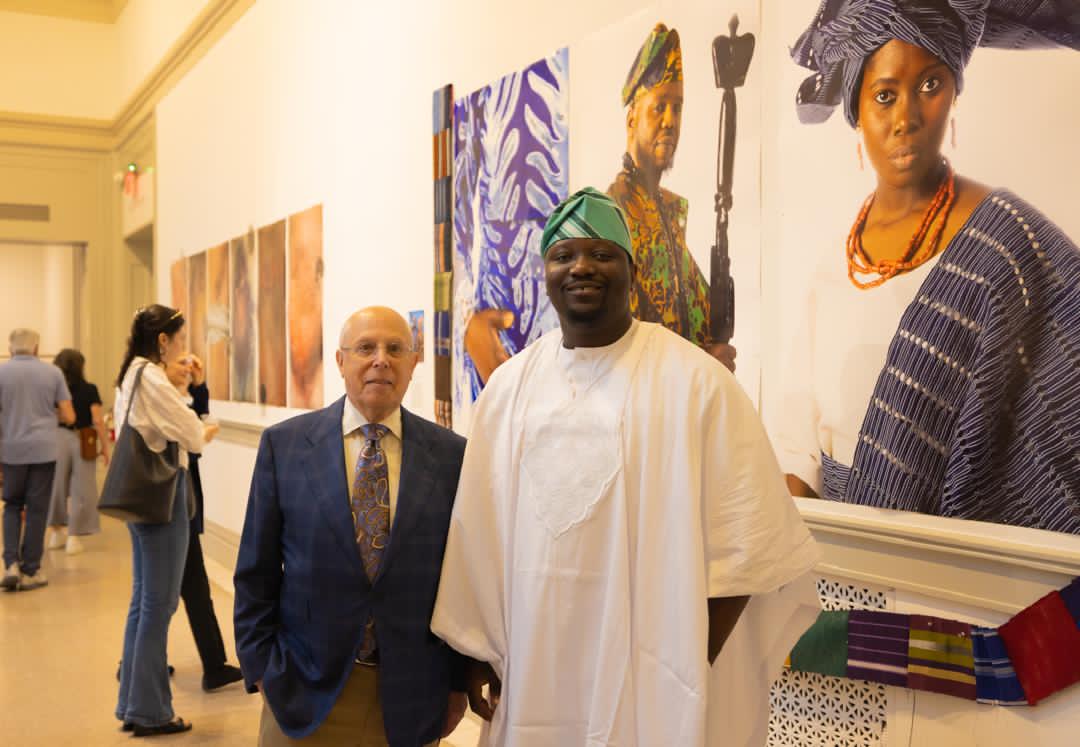
Nigerian visual journalist and photographer Oluwafemi Oluwatobi Olajide presented a multimedia exhibition celebrating Nigerian culture and tradition at the Next Festival 2026 hosted by The George Washington University’s Corcoran School of the Arts and Design.
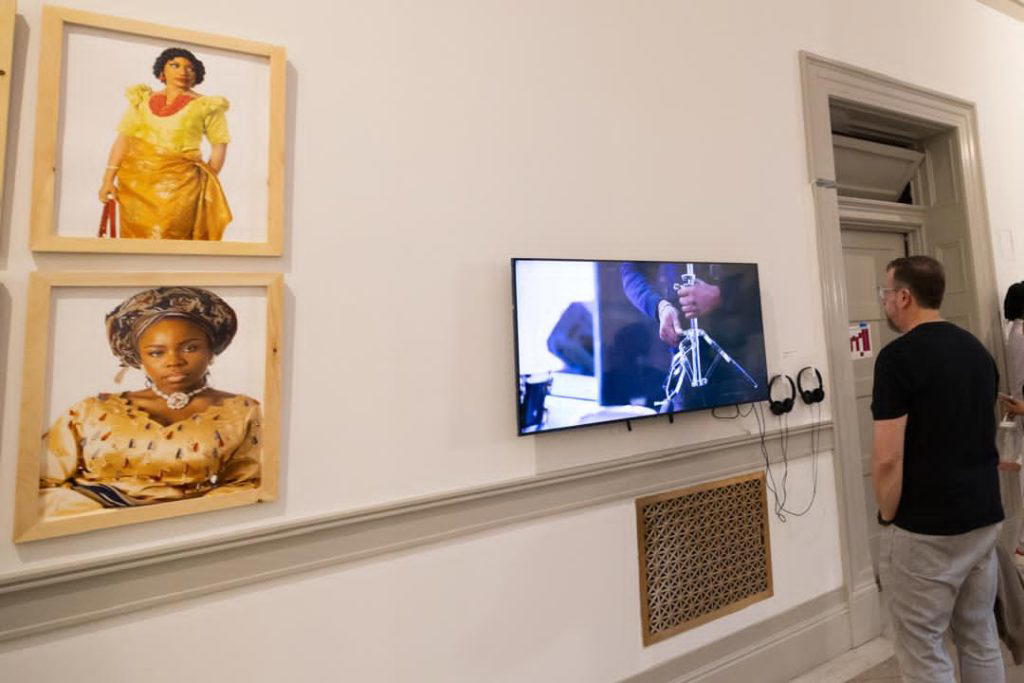
Titled Nigerian Joy, the exhibition featured archival inkjet prints, digital multimedia works, and traditional Aso Oke fabric installations that explored the significance of fashion, identity, and cultural heritage within Nigerian communities. The exhibition attracted visitors from across the United States and abroad who gathered to experience Oluwafemi’s visual interpretation of Nigerian traditions through photography and storytelling.
For Oluwafemi, the exhibition represents the culmination of a lifelong connection to photography that began in Bariga, Lagos, Nigeria.
Born and raised in Bariga, Lagos, Oluwafemi grew up in his mother’s photography business, Bola International Studios, where he was introduced to photography at an early age. Located in the Ilaje area of Bariga, the studio served as both a family business and a creative learning environment. While still in primary school, Oluwafemi began taking passport photographs and assisting clients, gaining practical experience with analogue cameras including Minolta, Pentax, and Canon film systems.
His early exposure to photography extended beyond the studio. Teachers and administrators from nearby schools regularly relied on the family studio for photographic services, and Oluwafemi’s growing technical knowledge often led him to assist professional photographers with camera settings and equipment.
After completing his education at Our Lady of Fatima Primary School and Brilliant Child College in Akoka, he enrolled at the University of Lagos, where he earned a degree in Mass Communication. Throughout his university years, he balanced academic studies with daily responsibilities at the family studio, refining his skills in photography, photo editing, graphic design, and visual storytelling.
His undergraduate research focused on the impact of photography in new media, reflecting an early interest in the evolving role of visual communication in journalism.
Oluwafemi later completed his National Youth Service Corps assignment at the Oyo State Ministry of Information in Ibadan, where he further developed his understanding of media practice. Inspired by prominent Nigerian photographers Bayo Omoboriowo and Tolani Alli, he continued building a career in visual journalism and media education.
He subsequently joined Mountain Top University in Ogun State as a studio technologist and university photojournalist, supporting instruction in photojournalism, photo editing, newspaper production, magazine production, and public relations while documenting university activities and events.
Seeking to expand his expertise, Oluwafemi earned a master’s degree in Mass Communication from the University of Lagos. His graduate research examined photojournalism as a tool for investigative and undercover reporting in Nigerian journalism, highlighting the role of visual evidence in public-interest reporting.
Following the global shift toward digital and multimedia storytelling during the COVID-19 pandemic, Oluwafemi pursued further studies in the United States. He enrolled in the Master of Arts in New Media Photojournalism program at The George Washington University, becoming the first Nigerian and West African student to complete the specialized program.
At George Washington University, Oluwafemi expanded his practice beyond traditional photography, developing skills in multimedia storytelling, message design, writing, cinematography, and emerging forms of visual communication.
His capstone project focused on preserving and celebrating Nigerian cultural heritage through photography and documentary filmmaking. While the photographic component documented Nigerians wearing traditional attire, the video project explored the role of music, celebration, and community in maintaining cultural identity among Nigerians in the diaspora.
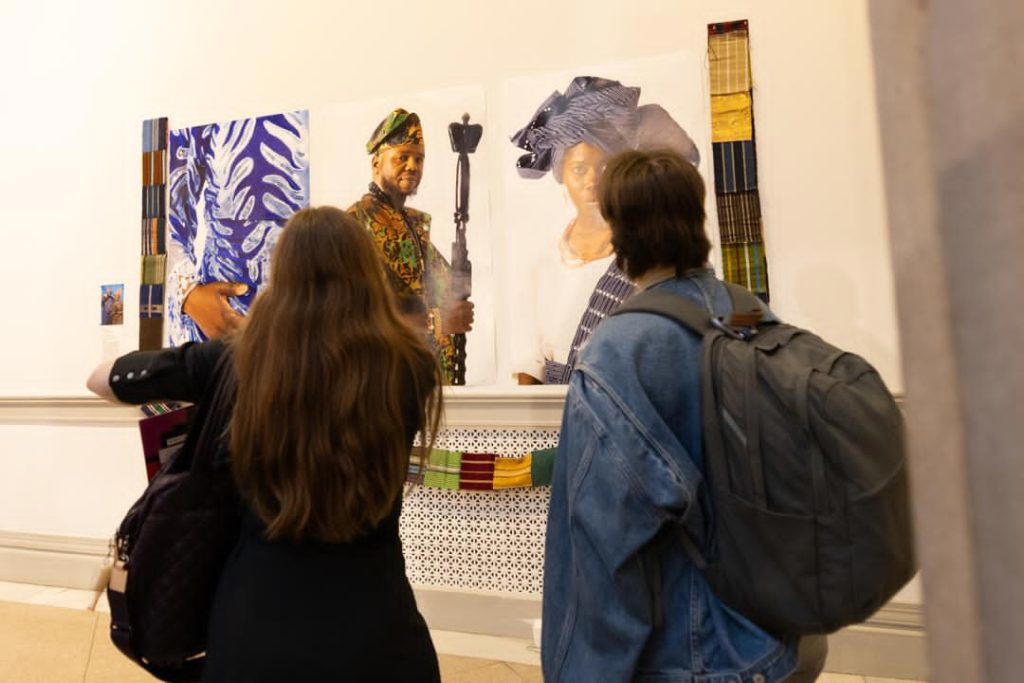
The resulting exhibition, Nigerian Joy, drew upon Oluwafemi’s personal experiences growing up in a photography studio surrounded by the colors, textures, and traditions of Yoruba culture. Through carefully composed portraits, he documented the elegance and significance of traditional Nigerian garments, including Ankara and Aso Oke, emphasizing their role as symbols of identity, pride, and cultural continuity.
Using a single-key lighting approach inspired by renowned portrait photographer Richard Avedon, Oluwafemi created images that highlight the intricate details, craftsmanship, and visual richness of Nigerian attire.
“Through this series, I want viewers to feel the depth and beauty of Nigerian culture—its colors, textures, and stories woven into every garment,” Oluwafemi said.
The exhibition reflects the artist’s ongoing commitment to documenting cultural heritage through visual journalism while creating a bridge between traditional practices and contemporary storytelling.
As Nigerian communities continue to grow across the world, Oluwafemi’s work contributes to broader conversations about identity, representation, and the preservation of cultural traditions through photography and multimedia journalism.
Disclaimer
Comments expressed here do not reflect the opinions of Vanguard newspapers or any employee thereof.